Rethinking ‘Quality of Life Beyond Value’: The Equation of ‘Public Space’ Towards Sustainable Urban Development
We are currently in an era where urban growth is rapidly expanding alongside population increase. The issue of “public space development” has become a priority for various sectors in many provinces, including Bangkok, Phuket, Chiang Mai, and Khon Kaen, as it is the best solution to cope with the ongoing situation.
Many questions arise: How much should we develop public transportation systems for efficient urban development? What actions are necessary? And who has the right to develop this aspect?
Mr. Yosapon Boonsom from Chama Soen Co., Ltd. is a landscape architect with expertise and interest in public space development. He is also a co-founder of the Friends of the River (FOR) group, which plays a role in gathering opinions to develop public spaces in the city and serves as a voice for community, society, and environmental advocacy. He sparked thoughts and prompted us to reflect on this important issue at the seminar “TREA TALKS REAL ESTATE 2017,” organized by the Thai Real Estate Association in collaboration with TERRA BKK and numerous business partners.
Focusing on ‘Quality of Life’ as True Development
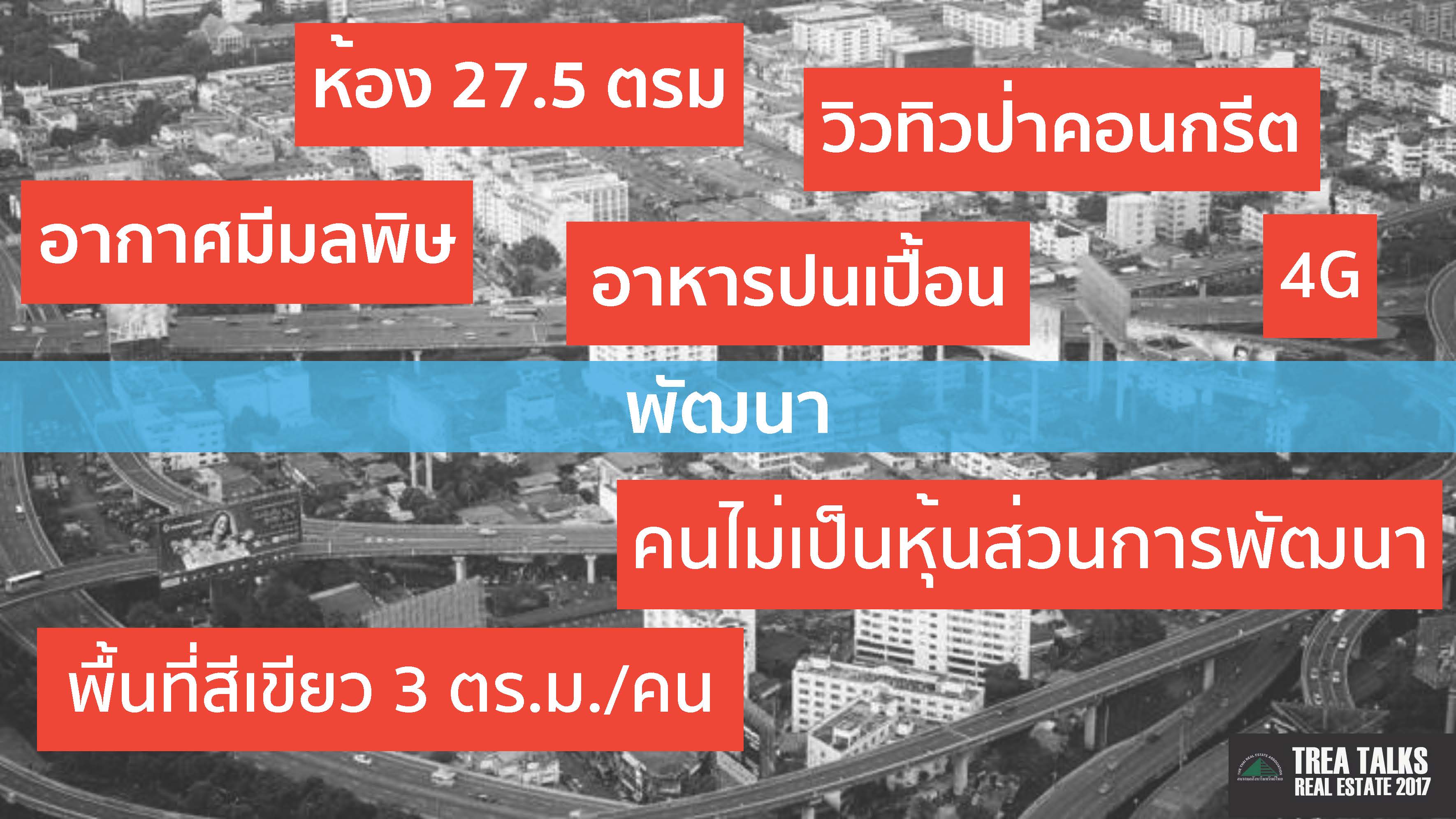
What is development? This is the question Mr. Yosapon raised. When looking at Bangkok, everyone sees beautiful buildings, with everything measured by GDP as an economic indicator. However, when considering quality of life, Bangkok residents are faced with polluted air, 27.5 square meter rooms, concrete jungle views, contaminated food, and only 3 square meters of green space per person. The growth rate of buildings compared to green space and public areas is very low, and even the public spaces available for citizens are surrounded by restrictions and prohibitions.
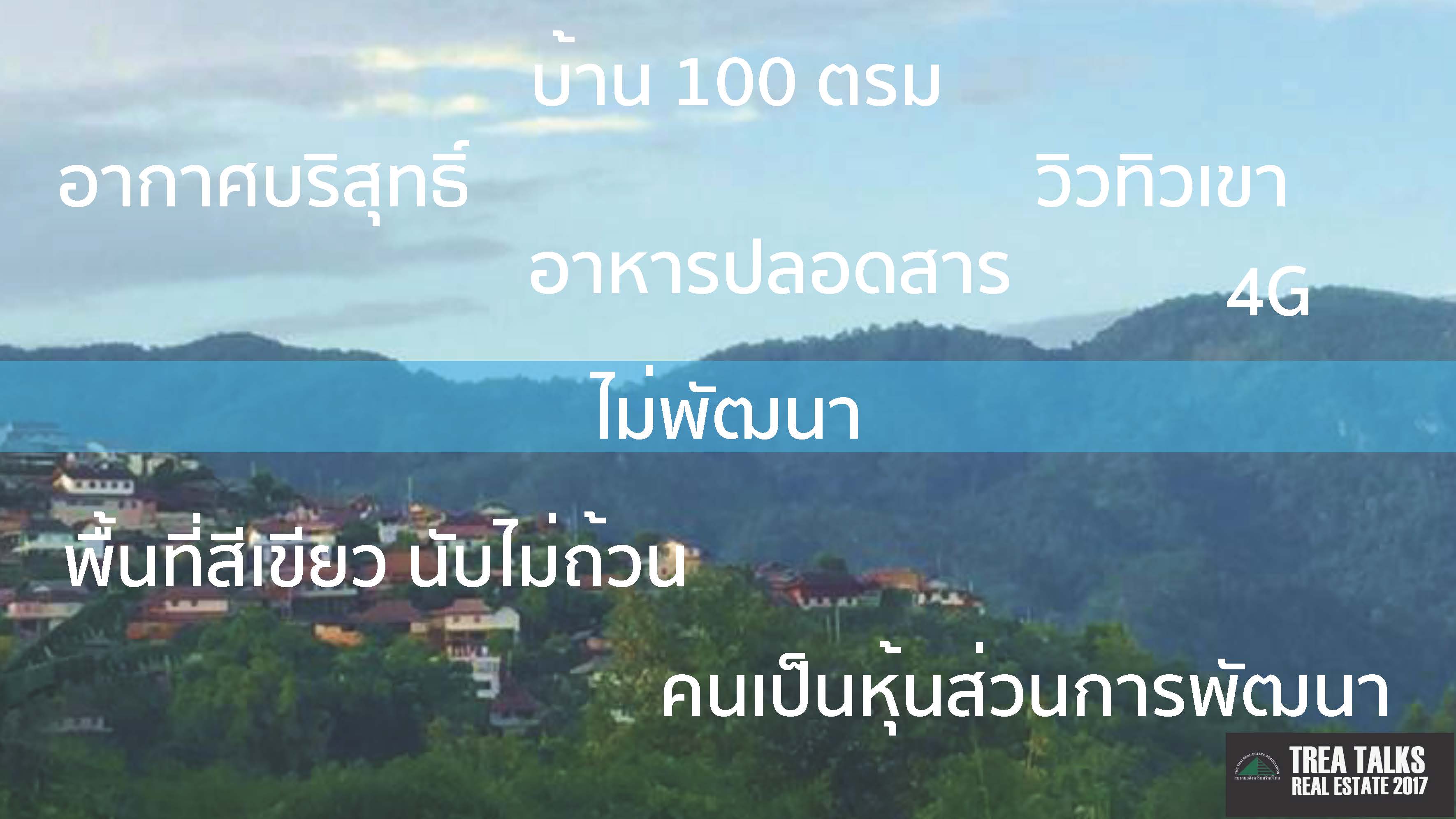
However, when we look back at the lives of the villagers in Doi Tung, it is clear that their economic indicators cannot be compared to those of Bangkok. Yet, their quality of life is in stark contrast. Everyone participates in development and contributes to the restoration of forest areas, which are vital water sources that benefit their agricultural livelihoods. This is the transformed quality of life in Doi Tung.
This reflects that today’s development “leaves some behind... does it harm or hurt anyone?”
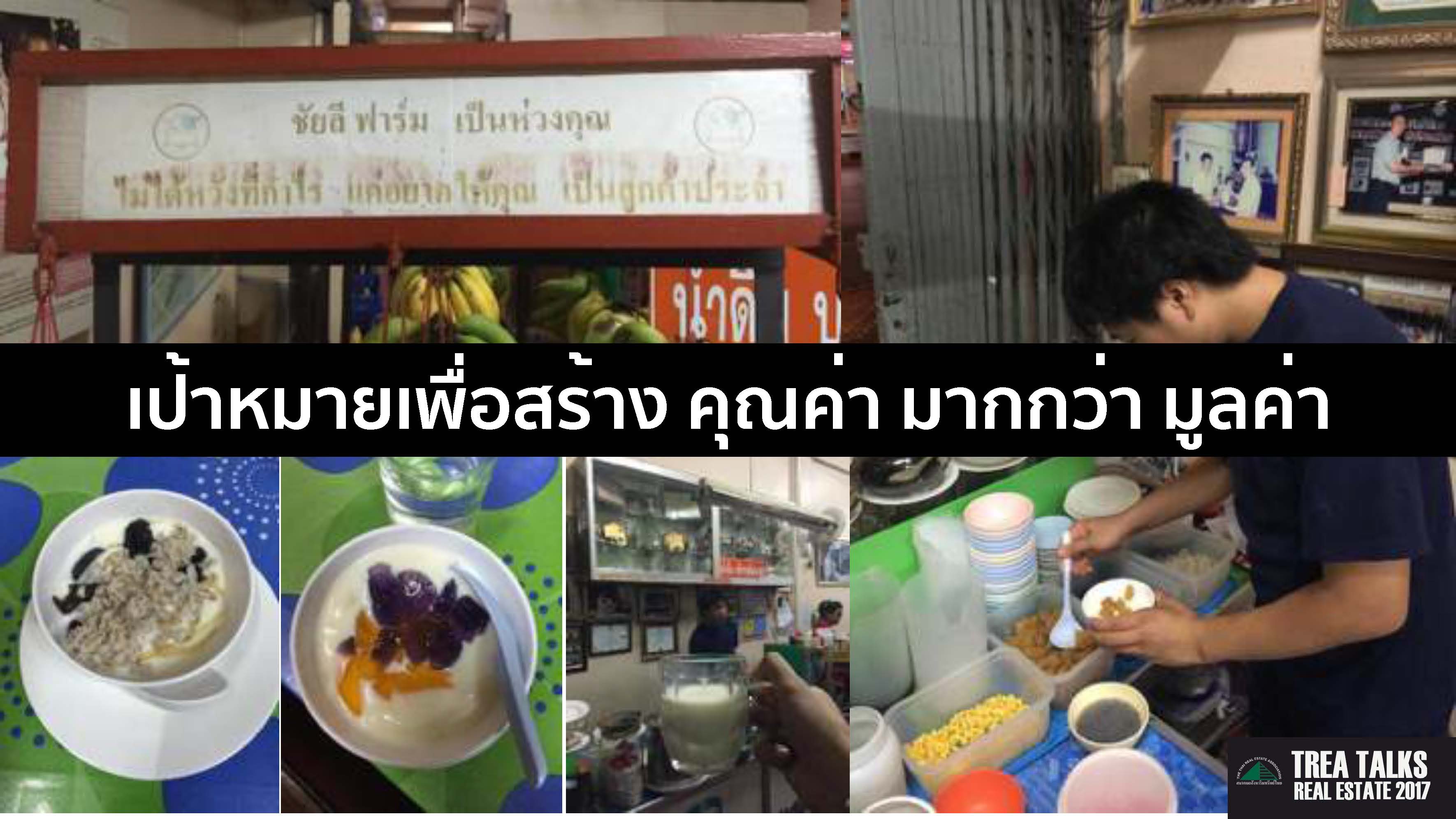
Is the decline in quality of life due to people prioritizing “value” or “worth”? Because true development is not measured by GDP figures or the numerous buildings that are growing, but should focus on promoting quality of life, which can only be realized based on what the local people value.
Between value, worth, or quality of life?
The Failure of Development Arising from Fragmentation
Mr. Yosapon analyzed the failure of development, tracing back to Development 3.0, which is characterized by exclusionary practices that separate people from nature, the government, and involve top-down development from the state to the private sector, communities, and citizens, leading to social inequality.
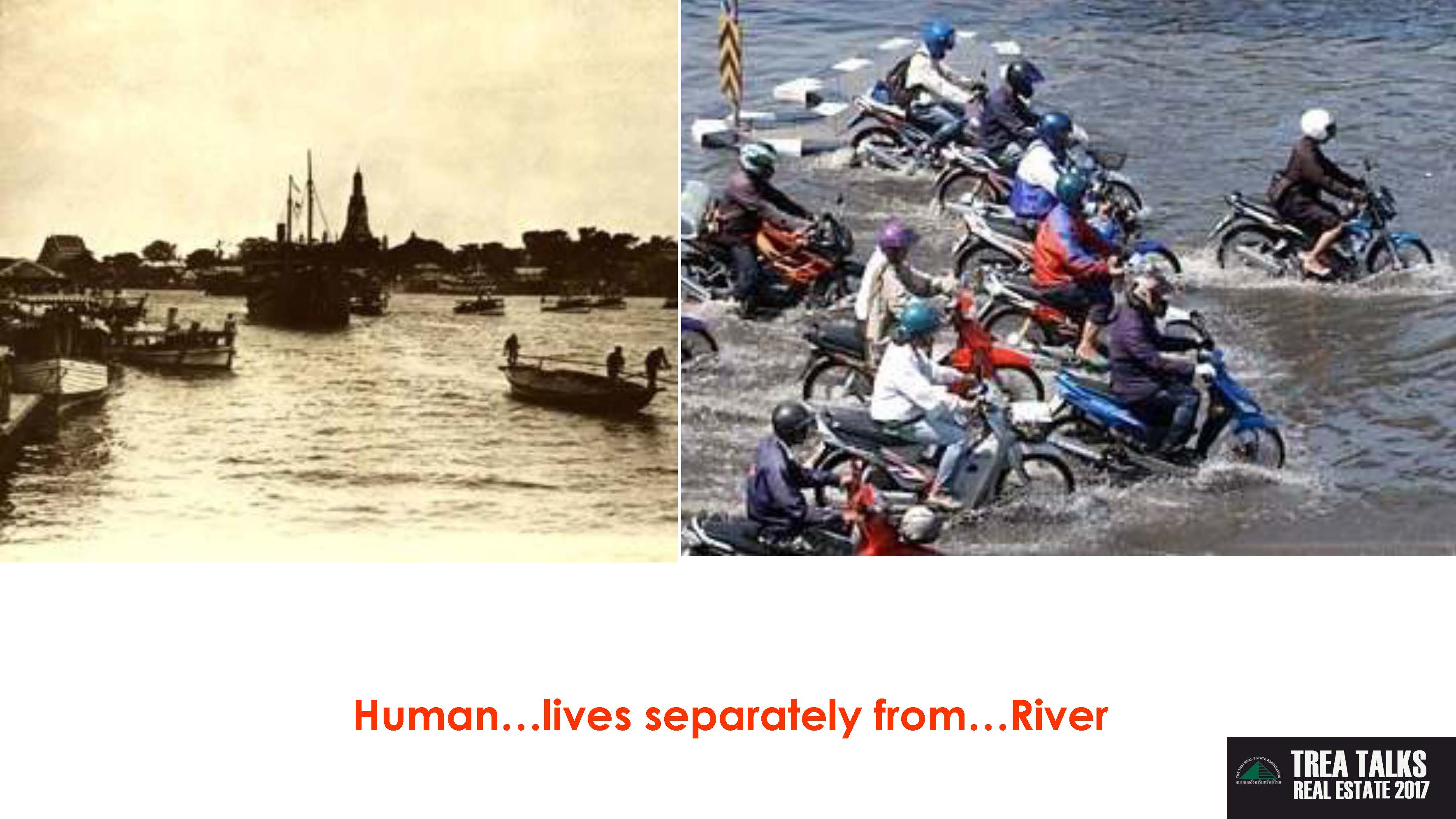
For example, in the past, Thai people lived in harmony with rivers and nature, but today they no longer know how to adapt. Water has become a disaster because current designs are developed without interaction with the people, and citizens do not participate or express their views.
Factors Leading to Failure
1. Viewing urban development in isolation.
2. Not seeing ‘cities’ as tools for economic, social, and environmental development.
3. Lack of knowledge, innovation, tools, and policies that are responsive to change.
4. Failure to integrate relevant disciplines and mechanisms.
5. Not considering ‘citizens’ as part of the development, leaving people and nature behind.
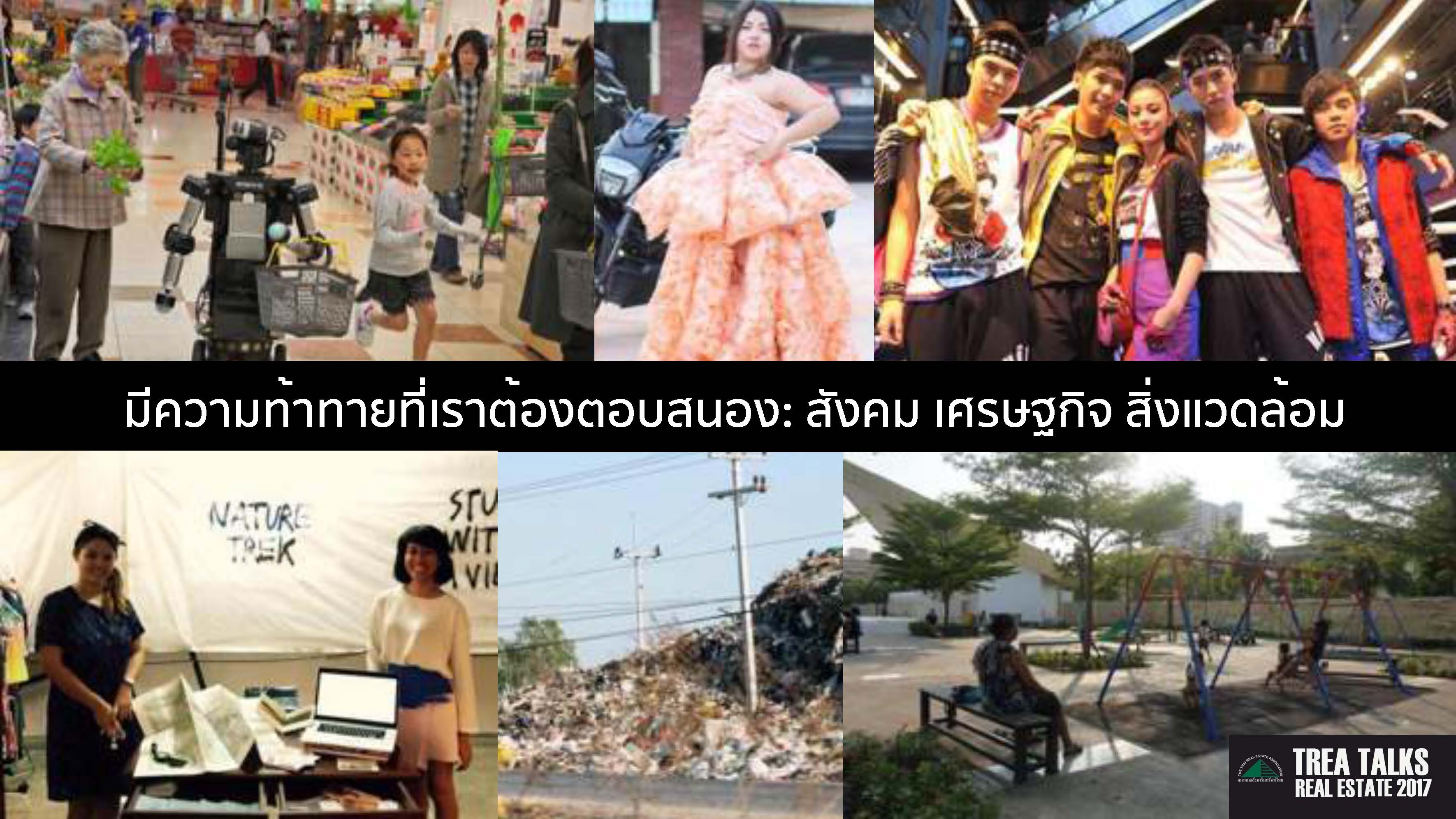
“The challenges and values of the 4.0 era will see more people living in cities, facing disasters that need to be addressed. We will encounter social challenges that change in social, economic, and environmental aspects. People will want to participate more in urban development, in thinking and decision-making together. Knowledge and information will become crucial mechanisms for future national and urban development.”
Three Proposals to Change the Mindset for Urban Development
However, Mr. Yosapon proposed three ways to transform traditional exclusionary development into inclusive development for true and sustainable progress:
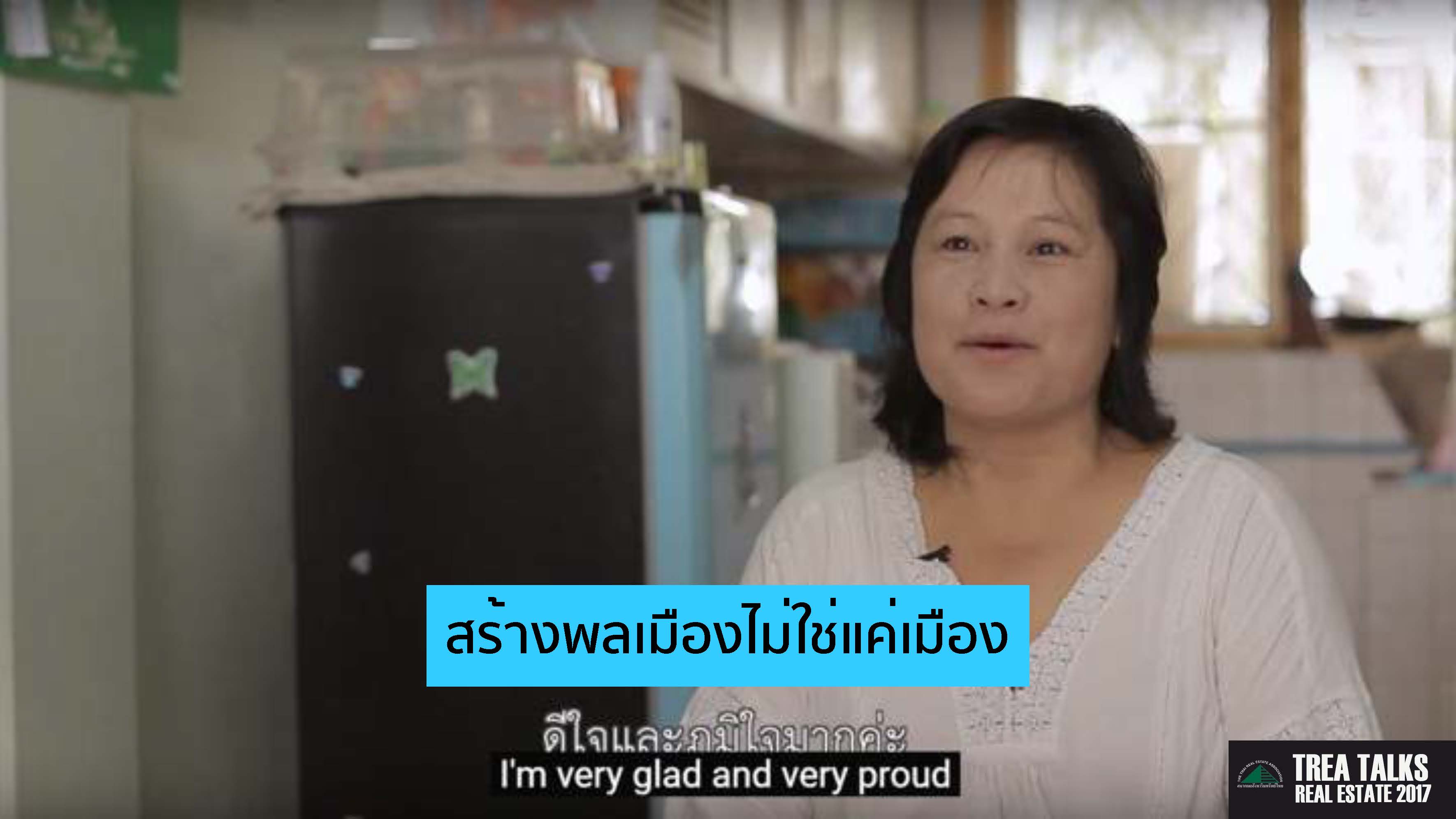
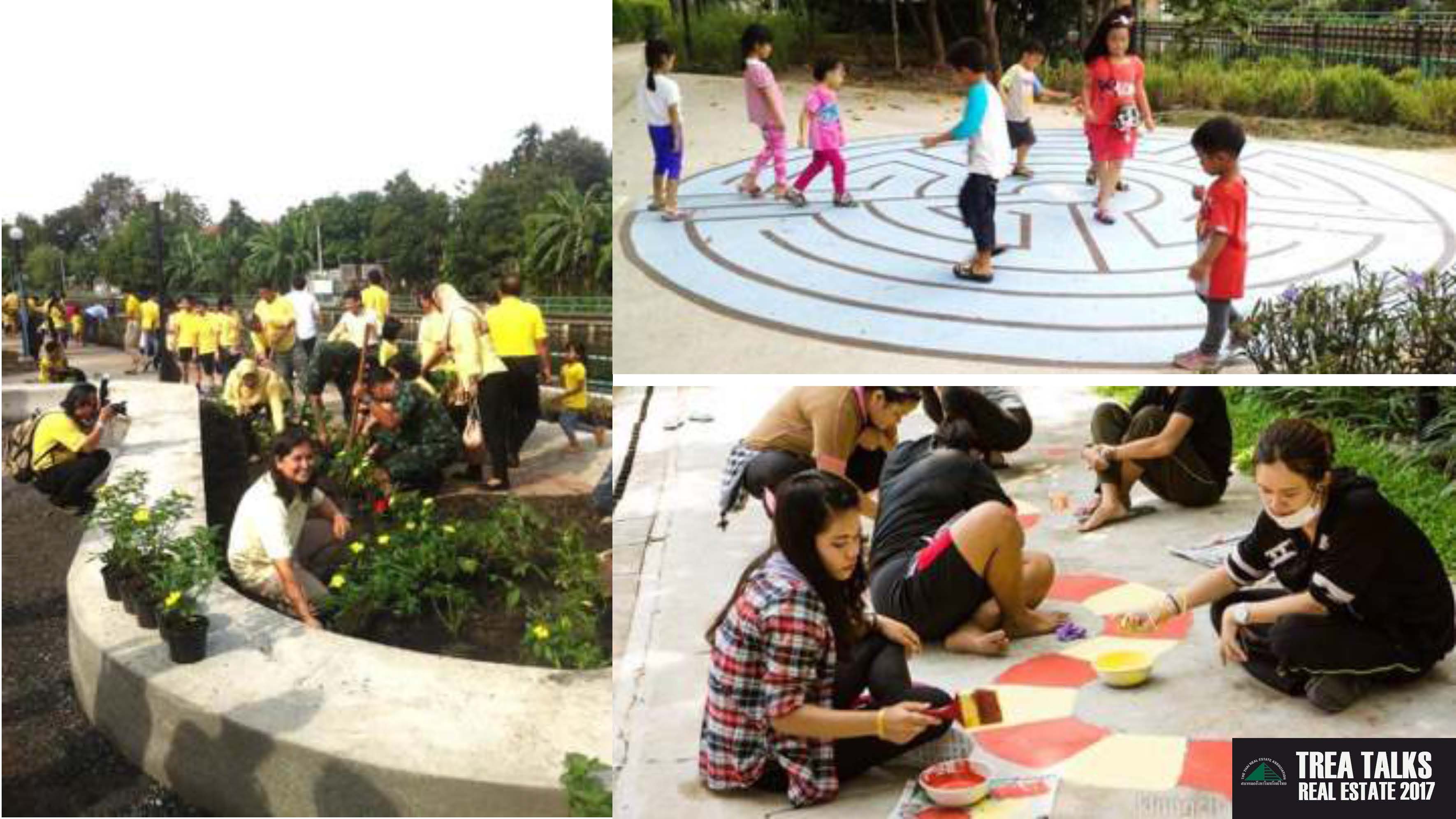
1. Help to Collaborate: Recognize and utilize local wisdom to create value. Understanding the “value” that everyone possesses can lead to significant economic growth in the community, such as using local craftsmanship knowledge to build community pavilions.
2. From Top Down to Engagement: The government, private sector, and citizens should sit at the same table to present ideas, dreams, and limitations to achieve a common goal with understanding.
3. From CSR to Investment: The future does not come by itself but is the result of long-term investments from the cooperation of all—government, private sector, and citizens—leading to urban innovation, similar to how Mark Zuckerberg and his wife established a foundation for research to help cure diseases and recover from disasters.
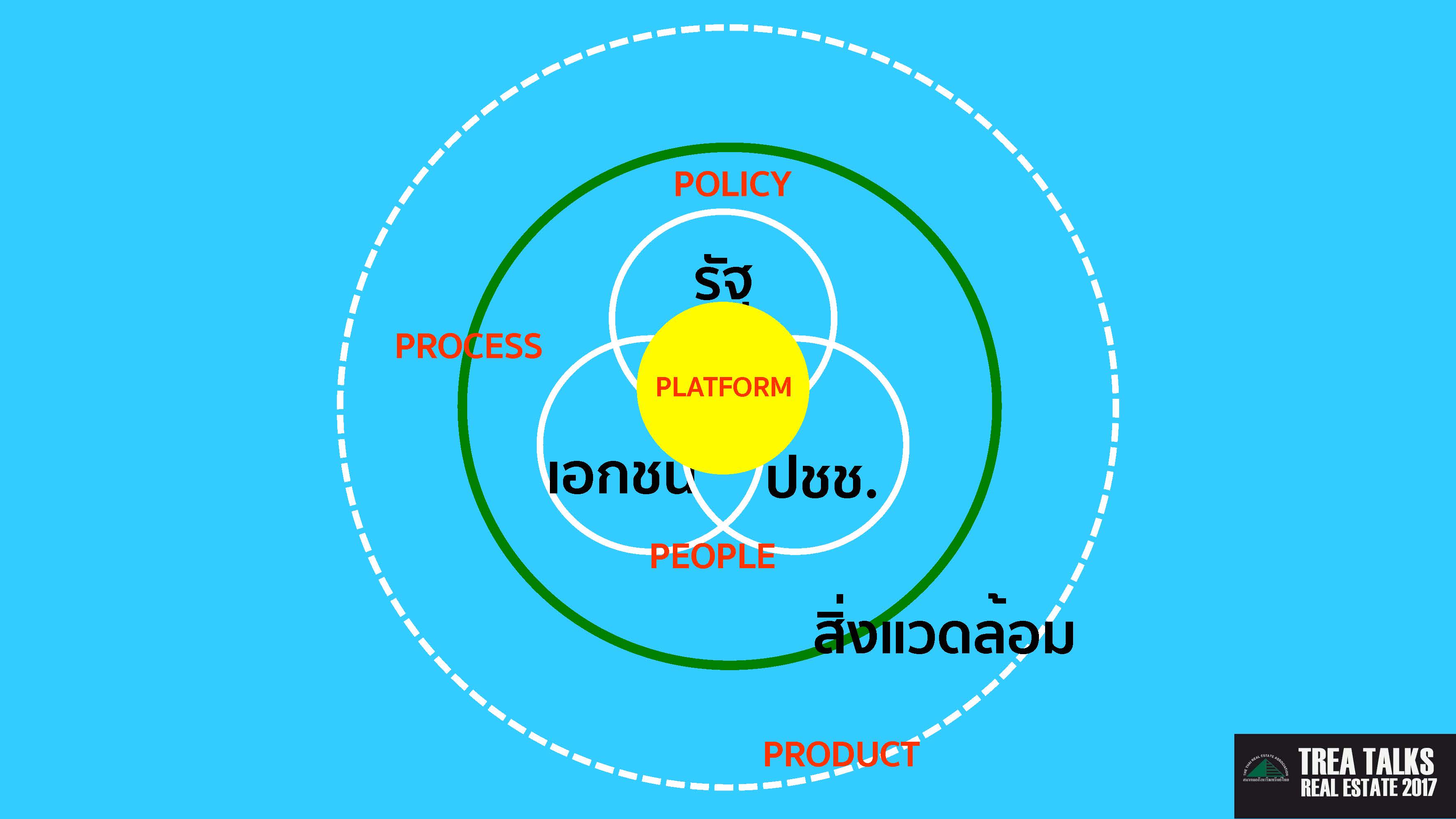
Unity, or what is called inclusivity, in both attitude and process between people and nature, still involves the same partners in development (the state, private sector, citizens, and nature). However, choosing partners is like choosing a life partner, based on 1. Equality (between the state, private sector, citizens, and communities) 2. Mutual learning 3. Collaborative thinking and decision-making 4. Respect for diversity.
“It is an important question to ask ourselves: How will we develop from now on? Will we develop to exploit, develop without harming, or develop to promote growth? Ultimately, it depends on the collective power of all of us as partners in development.”
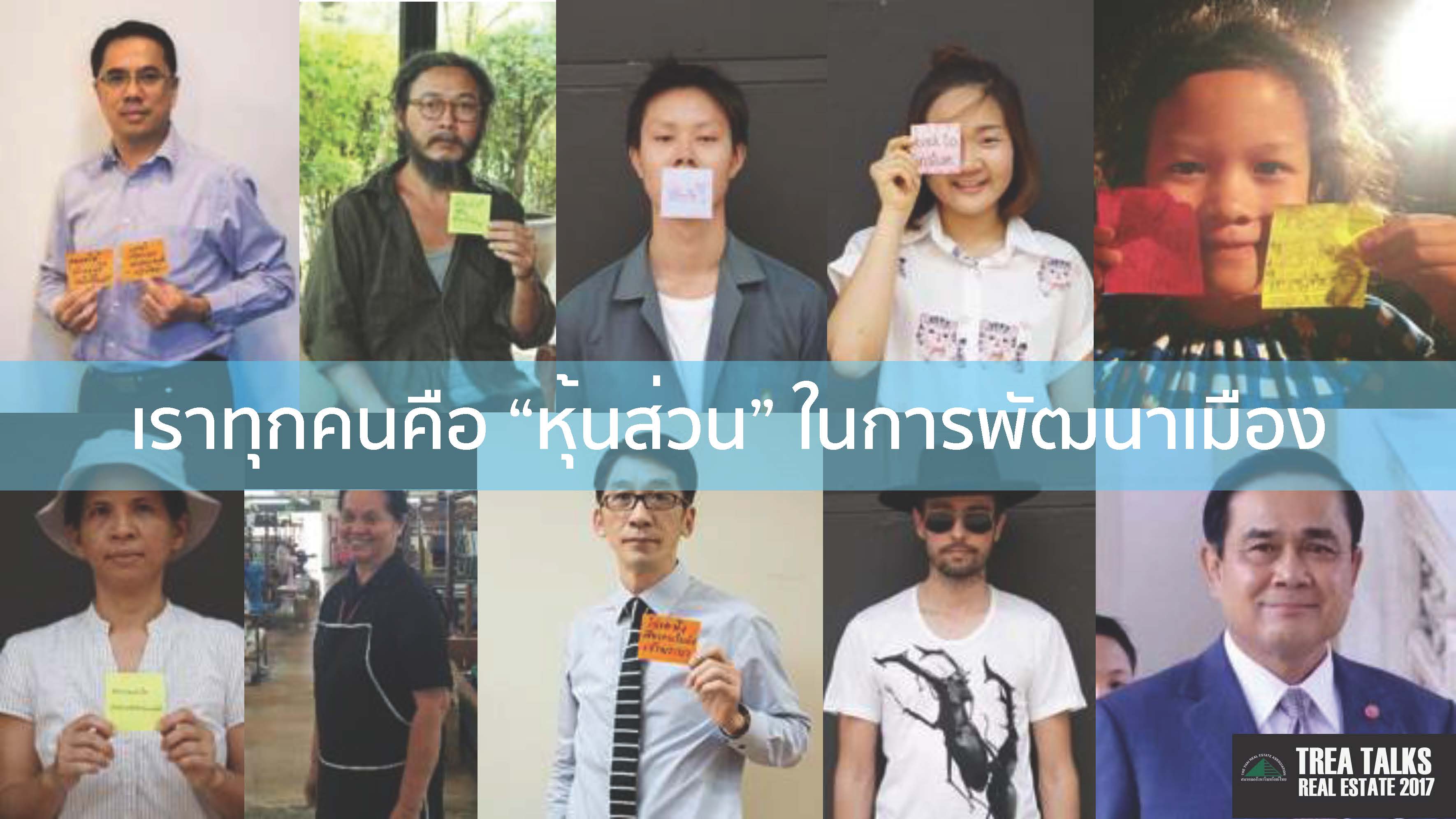
In truth, the “city” is an “ecosystem,” not just a construction. We must build cities for people and nature to coexist sustainably = development for true prosperity.
Information from TREA TALKS REAL ESTATE 2017 on June 29, 2017
Article by: TerraBKK Knowledge Repository
TerraBKK: Find good, valuable, and affordable homes