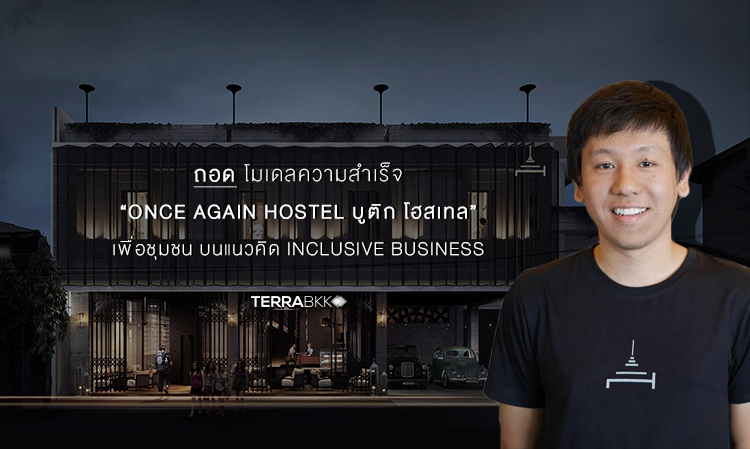
Decoding the Success Model of 'Once Again Hostel: A Boutique Hostel' for the Community Based on the Concept of Inclusive Business
Bangkok, the city that never sleeps, was awarded the title of 'Most Visited City in the World' by Mastercard in 2016 and recognized as 'One of the 15 Best Cities' in the same year by Travel and Leisure magazine. This has led to rapid growth in Bangkok's tourism sector, including the rising popularity of hostels, with over two thousand hostel accommodations now available throughout the city. Amidst this exponential growth, 'Once Again Hostel' has gained a reputation in the business community for its commitment to the concept of ‘Inclusive Business Tourism’.
What is Inclusive Business?
‘Inclusive Business’ was first discussed on the United Nations stage in 2008 under the theme 'Creating Value for All: Strategies for Doing Business with The Poor', with Sweden being a model country for implementing this concept effectively. However, this idea is still not widely adopted in Thailand, as it focuses on considering the poor in the community to reduce social inequality and prevent the impoverished from becoming marginalized in urban development. It aims to distribute tourism income to the community and connect the poor to the sustainable 'Value Chain' of the tourism industry.
In simple terms, it promotes community tourism to genuinely support the community.
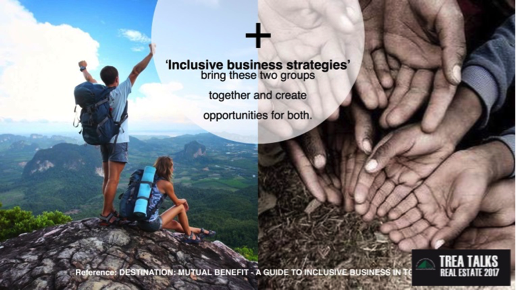
A 2014 research study by Endeva, a Berlin-based institute, titled 'Destination: Mutual Benefit – A Guide to Inclusive Tourism', compared the differences between Community-Based Tourism and Inclusive Business. It found that while Community-Based Tourism primarily provides income to the poor, once the support stops, they revert to poverty. In contrast, Inclusive Business emphasizes building relationships between companies and the poor to promote long-term improvements in quality of life.
“Once Again” with memories of prosperity.
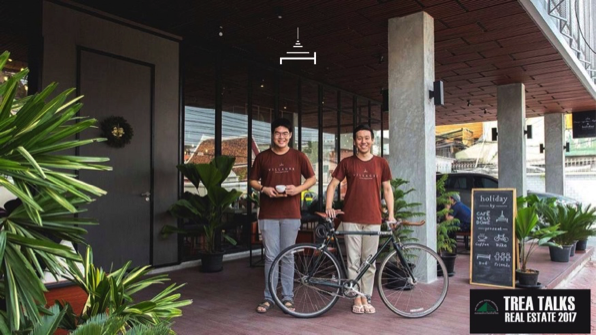
Sanon Wangsaengboon and Patthakorn Thanasarakorn began implementing the concept of ‘Inclusive Business Tourism’ at their first hostel, 'Once Again Hostel', located in the heart of the historic trading district of Phra Nakhon, which remains popular among international tourists. However, the rapid growth of Bangkok is threatening the traditional livelihoods of the local community amidst the modernization and bright lights of the city.
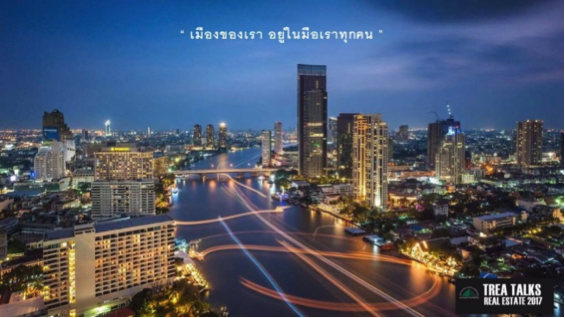
Sanon raised this issue at the seminar TREA TALKS REAL ESTATE 2017, organized by the Thai Real Estate Association in collaboration with TERRA BKK, a knowledge hub and consulting service for real estate investment, supported by numerous business partners.
“The question is, can we preserve the charm of our country amidst all this development? This is a challenging thought process for us in business, and it inspired the name ‘Once Again’ because we are committed to bringing back the unique Thai charm while also encouraging tourists to return to stay at our hostel.”
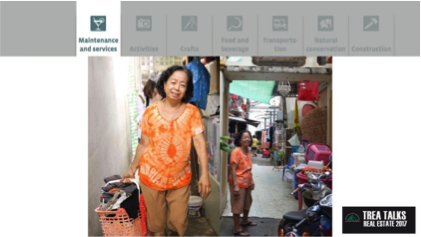
The effort to revitalize the historic trading district and preserve the traditional occupations of the community inspired the naming of the hostel 'Once Again', aiming to make the old community of Bangkok a cultural learning landmark for travelers. It also promotes employment in the community, such as housekeepers, receptionists, as well as volunteer guides and professional tour guides who assist in showcasing the historic community.Before the “4 Historic Communities” disappear forever.
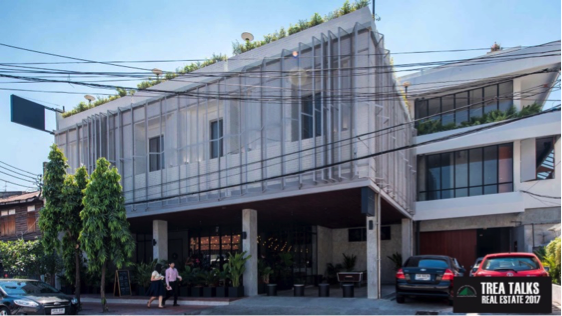
On an area of over 400 square meters of an old, abandoned printing house consisting of 4 shophouses in the Pratu Phi area, 'Once Again Hostel' has been transformed to welcome tourists from around the world. This hostel connects with 4 historic communities that are on the verge of disappearing due to urban growth and changing lifestyles: “Wang Krom Phra Sommat Amornpan”, once the old palace of Prince Sawatdiprawat, a son of King Rama IV, now a community known for sewing monk robes; “Nang Loeng Community”, a former popular venue for traditional Thai drama and dance that flourished in 1956; “Ban Bat Community” ; and “Pom Mahakan Community”, where the locals used to craft birdcages and sell pottery.
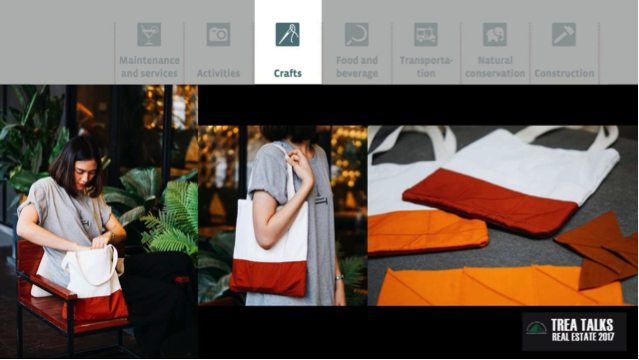
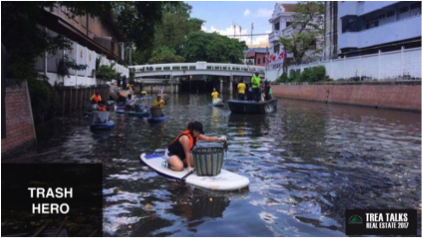
“Before starting the hostel, we explored these communities and found that the charm of the old neighborhoods had faded. We aimed to preserve the traditional occupations that inspired the names of these communities, such as Ban Bat and Wang Krom, by using leftover fabric from sewing monk robes to design contemporary bags. We also adapted handicrafts from Ban Bat into art pieces for online sale. We engage with the elderly in the community through 'Community Walking Tours', invite artists to create art, or organize various workshops. One of my favorite initiatives is forming a Trash Hero group, inviting volunteers and tourists to help clean up the canals by paddle boarding.”
Sustainable tourism must consider the community.
Sanon believes that the concept of Inclusive Business not only promotes sustainable tourism for the community but also fosters collaboration with like-minded social enterprises, such as working with 'Café Velodome' to encourage urban cycling and 'TRAWELL', a company that promotes tourism as a 'social business' that won the One Young World Summit 2015 award, as well as the volunteer school 'Saturday School'.
When we 'decode' the business concept of Once Again Hostel, we find that both Sanon and Patthakorn are young entrepreneurs in Thailand's tourism and real estate sectors, yet their ideas extend to sustainable business practices. By deeply studying the history of the community and applying their knowledge as engineers and architects in designing a hostel that blends contemporary style with unique character, they create jobs and distribute income to the community. This is evident in the nearby shops that have improved their appearance and expanded their tourist base, both local and international, to visit the community.
Most importantly, it enhances the quality of life for community members and improves educational opportunities for children in the community.
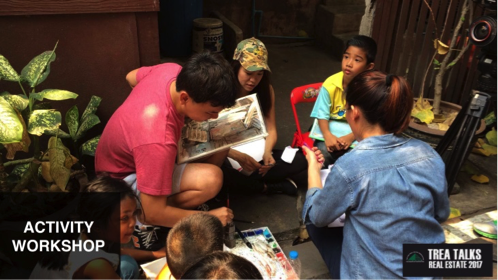
In reality, the concept of Inclusive Business is not new, and the practical implementation of Once Again Hostel has proven that participatory tourism is a social business model that can bring prosperity to the historic communities in the city, generate income for businesses, create jobs, and bring smiles back to the community, allowing them to live quality lives—not just an idealistic concept floating in the air.
Information from the event TREA TALKS REAL ESTATE 2017 on June 29, 2017 by Mr. Sanon Wangsaengboon one of the speakers at this event.
Article by: TerraBKK Knowledge Hub
TerraBKK: Find good, valuable, and affordable homes.