Be the Best Version of Ourselves: Improving the City Through Identity and Design
After the economic collapse, which we refer to as the “Tom Yum Kung Economic Crisis” in 1997, the country had to change its development direction and reset itself. This is evident in the key points of the 8th National Economic and Social Development Plan, where the government returned its focus to human potential development. This led to a push for businesses to adapt by refocusing on expertise and emphasizing value creation through the incorporation of Thai identity. This gave rise to the popular phrase from development policies, “Creative Economy”, which emphasizes economic development based on creative products. Although today this term has been replaced by Thailand 4.0, which shifts from commodity production to an innovation-driven economy, we still see clear traces of the Creative Economy model, such as OTOP products.
In this era of innovation and Thailand 4.0, we will explore whether remnants of the creative economy era still exist through design, focusing on urban and community development.
Public Transit Lounge by TEN FOR NINETY
Hua Lamphong is the bustling starting point of travel, the most distinctive transport hub in Bangkok. The TEN FOR NINETY group conceived the idea of leveraging the design capabilities of architects, shifting from spending 90% of their time designing for 10% of the people to spending 10% of their time designing for 90% of the people. They experimented with creating public spaces that reduce inequality, differentiate, and provide benefits in the heart of Hua Lamphong Station, which has been very successful.

Image courtesy of: https://www.tcdcconnect.com/
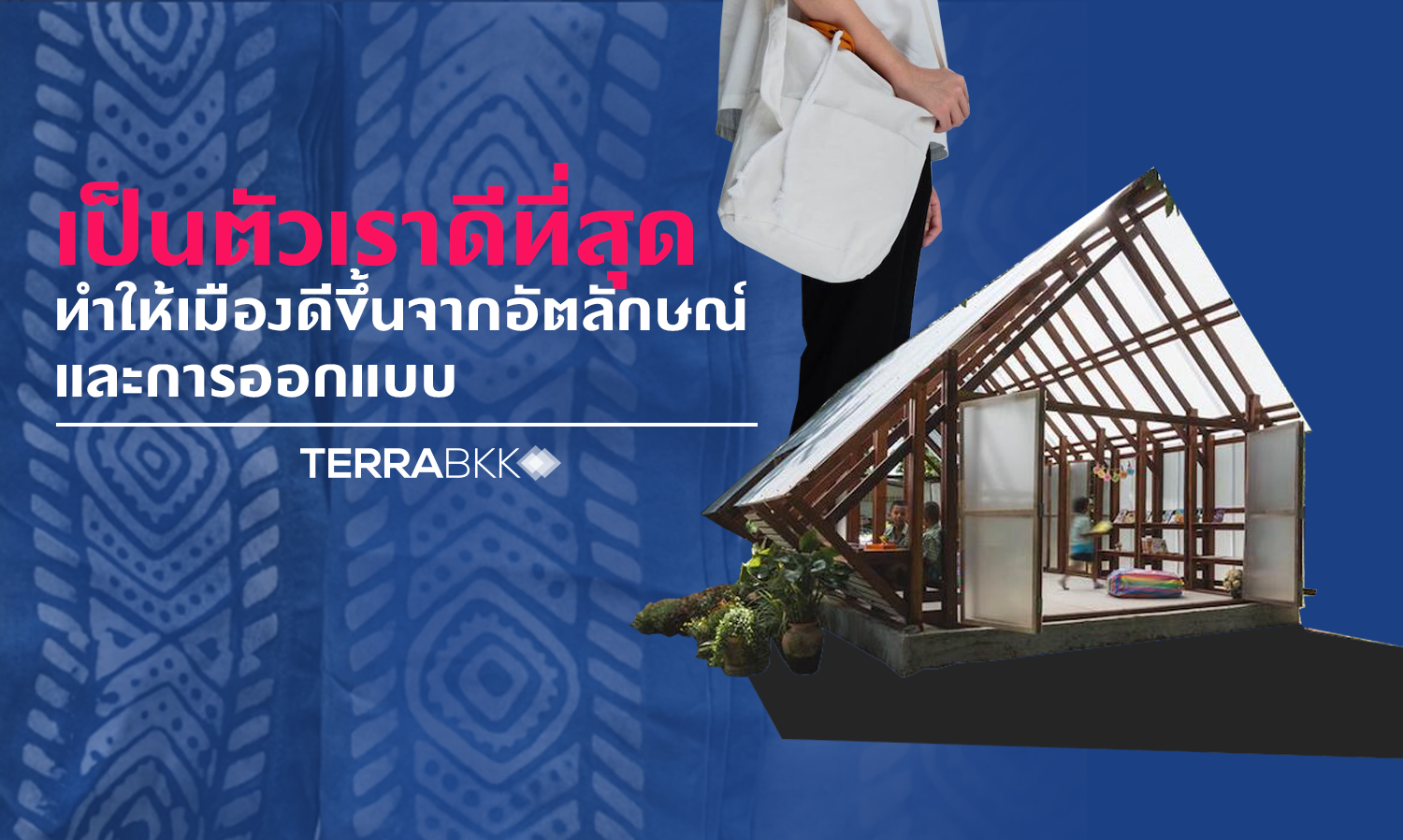
Library at Ban Thung Na Ta Pin School, Suphanburi Province by Silpakorn University Architecture Students
This project emerged from a volunteer development camp by a group of Silpakorn University Architecture Students, who chose the Ban Thung Na Ta Pin School area due to its scarcity of resources and the presence of several small villages nearby. The design of this library, which has very few books, is based on the learning behaviors of children outside the classroom. The space accommodates various activities, and the area around the library features several large rain trees, creating a shady environment conducive to outdoor learning and accessible to local residents.
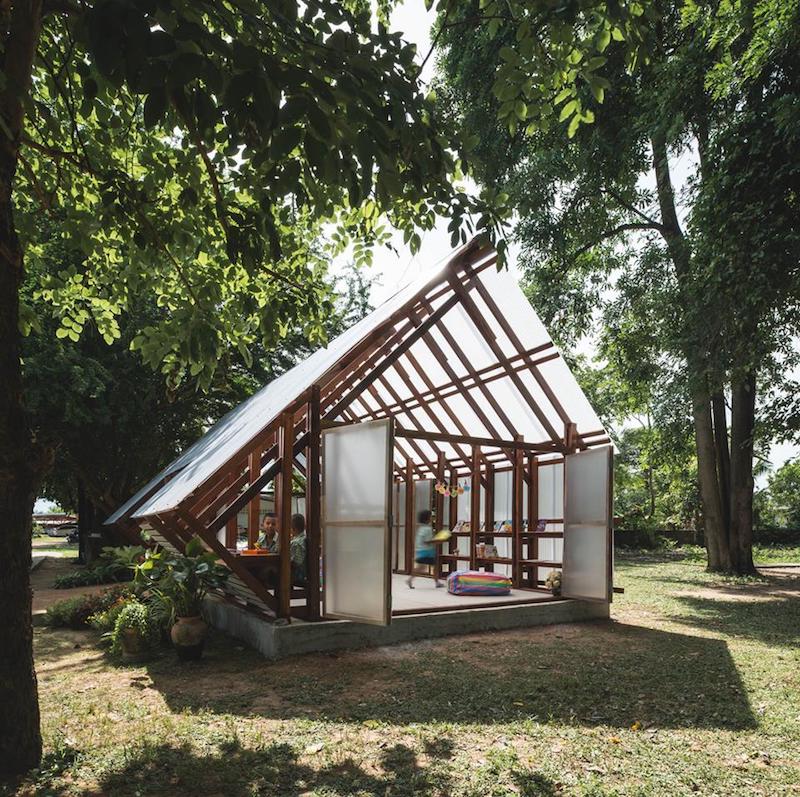
Image courtesy of: https://dsignsomething.com
Fabric Bags from Monk Robe Scraps by Wang Krom Phra Sommit Amornpan Community and TRAWELL Group
Most residents in the Wang Krom Phra Sommit Amornpan community have been sewing for a long time, leading to an increasing amount of fabric waste every day. The TRAWELL group, designers involved in tourism and community economic development, stepped in to enhance the livelihoods of community members by introducing product designs that align with current consumer trends, thereby adding value to the leftover fabric and creating jobs and expertise in various communities, such as Pom Mahakan and Worachak communities.
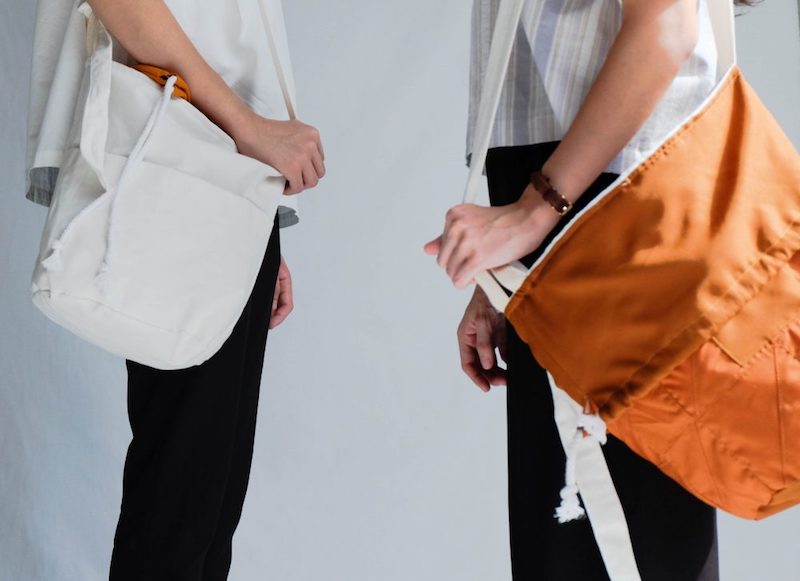
Image courtesy of: http://trawellthailand.com/th/
“Hom” Culture on Thung Hong Road, Phrae Province
The Hom fabric has been produced by the people of Phrae for a long time, leading to the creation of Hom Road or “Thung Hong Road,” which is lined with Hom products. Currently, the Hom products from Phrae have developed into a craft community in the city, focusing on modernizing products based on the wisdom that is the identity of the people of Phrae, thereby increasing their value. Originally, the Hom fabric was valued at around 600-800 million baht per year, but now its value has exceeded 1 billion baht per year.
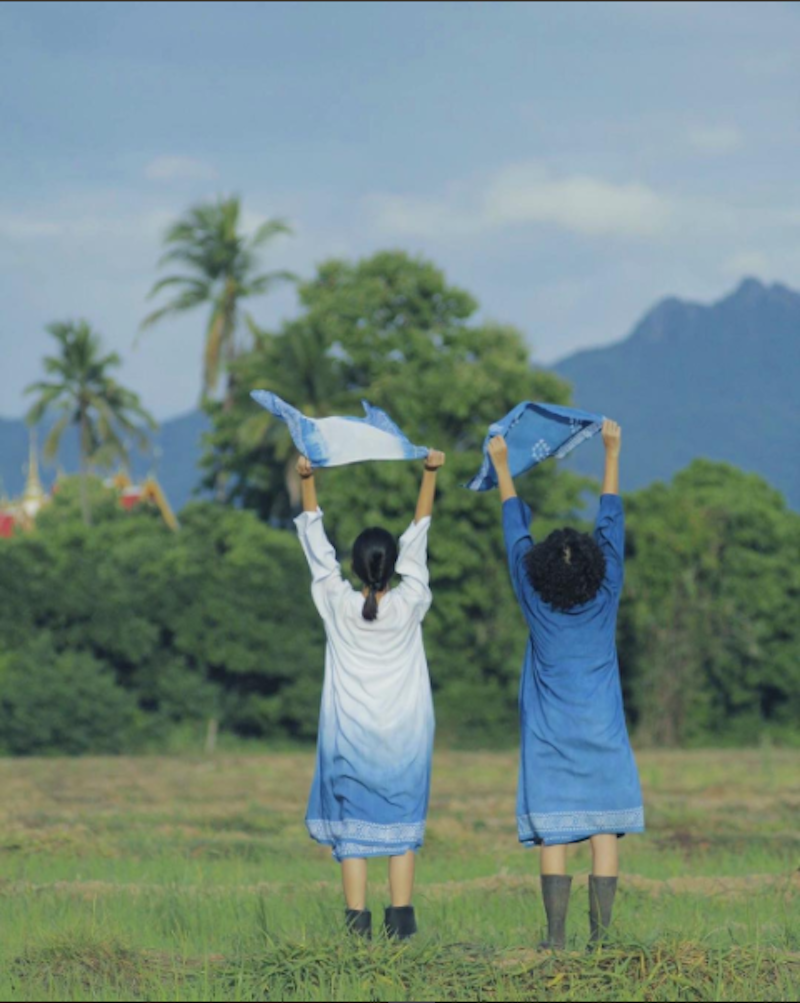
Image courtesy of: https://www.instagram.com/kamon_indigo/