Exploring Thailand's Readiness for a Fully Aged Society
You're grown up, you can do anything! But getting old isn't the same if you're not prepared.
Did you know? Every 5 seconds, 25 babies are born.
This happens simultaneously with 9 people dying every 5 seconds as well.
This statistic clearly illustrates the impermanence of life and the relentless passage of time. But what do these numbers tell us about demographics? Even though more people are born than die, many countries around the world are experiencing the transition to a fully aged society in a similar manner.
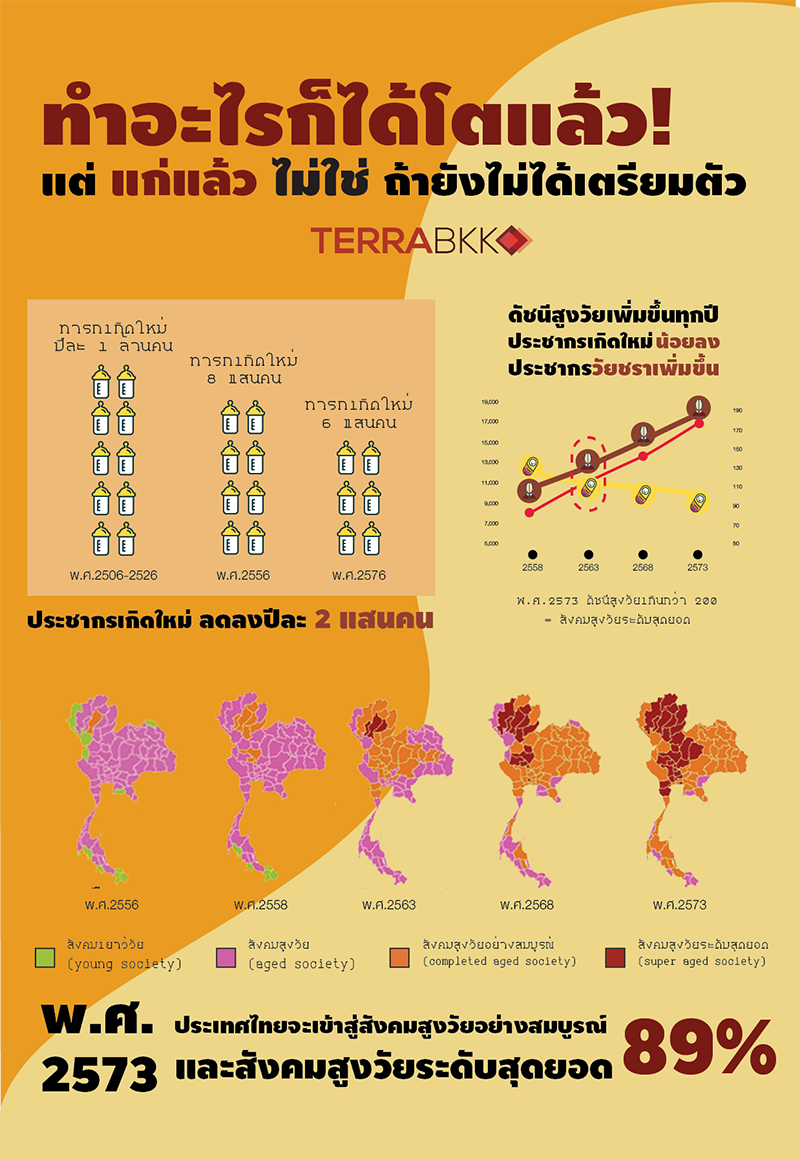
In the past 34 years, the number of newborns in Thailand has decreased by over 200,000 each year.
Thailand has been entering an aging society since 2004, and the number of elderly people is expected to continue rising. Thailand will reach a super aged society by 2031, with elderly individuals aged 65 and over making up 20% of the total population. One of the indicators of an aging society is the “Aging Index,” which compares the population structure between the increasing number of elderly people aged 60 and above and the younger population under 15 years old. This indicates that as the younger population grows, it will replace the loss of the elderly population. The interpretation of the index is as follows: an index value below 100 means there are fewer elderly than children, while an index above 100 indicates there are more elderly than children. The levels of aging society can be categorized as follows:
- Young Society - Aging index below 50
- Aged Society - Aging index between 50-119.9
- Completed Aged Society - Aging index between 120-199.9
- Super Aged Society - Aging index of 200 and above
Thailand falls into the category of an aged society. According to population projections from 2010 to 2030 by the Department of Provincial Administration, the number of births, birth rates, and fertility rates have been classified. In the past, from 1963 to 1983, the number of births exceeded 1 million, but in 2013, the number dropped to only 800,000, and in the next 20 years, it is expected to decrease to just 600,000. This means there will be fewer working-age individuals while the elderly population continues to rise.
In the next 13 years, 69 provinces in Thailand will enter a fully aged and super aged society.
Since 2013, most provinces in Thailand have already entered the aged society phase, with only 9 provinces remaining in the young society category. However, in just 2 years, the number of provinces in the young society category has decreased to only 5, while 6 more provinces have transitioned into a fully aged society, totaling 7 provinces. This number will continue to rise each year, and by 2030, there will be 42 provinces in a fully aged society and 27 provinces in a super aged society. In summary, Thailand has already reached 89% of a fully aged and super aged society.
The retirement housing market in America has grown to 250,000-270,000 million dollars.
In terms of real estate for the elderly, it has not yet entered the mainstream, but in recent years, interest in elderly housing has been increasing due to the growing elderly population. At the same time, it has been found that elderly housing tends to be flexible and less affected by economic downturns. The National Investment Center of the Senior Housing & Care Industry (NIC) has reported that the market for senior housing is valued at approximately 250,000-270,000 million dollars, covering around 22,000 locations and serving over 2.9 million people. The demand for senior housing is driven by three main factors:
- Population - It is projected that by 2030, the United States will have 21% of its population aged 65 and over, totaling 74 million people, which is not much different from the elderly population projections in Thailand.
- Memory Care - The aging population will prioritize brain and memory care, with current statistics showing 4 million Alzheimer’s patients, expected to rise to 13.8 million by 2050.
- Residential Geography - The elderly population tends to prefer housing that is further away from major cities, seeking to escape the hustle and bustle and wanting to be closer to nature.
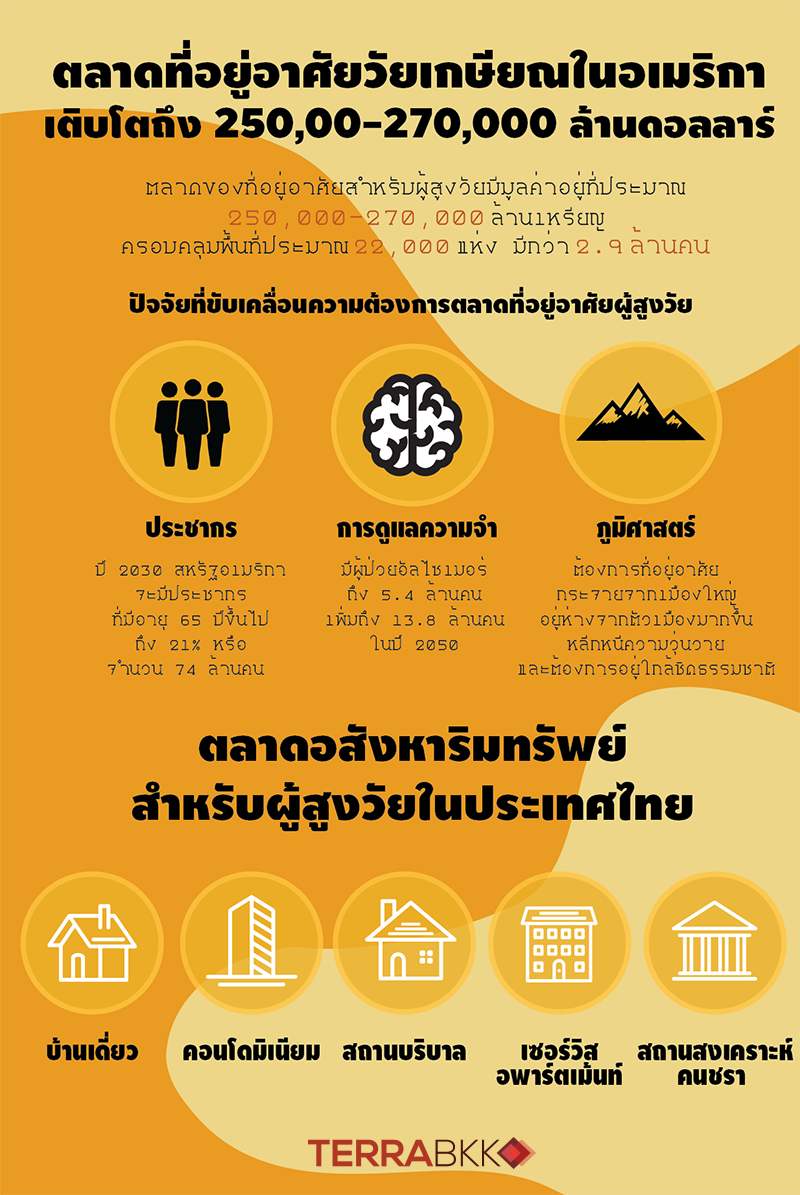
The senior housing market in Thailand
Considering the overall picture of the senior housing market, TerraBKK Research believes that the development of senior housing can be categorized into 5 types, which are expected to grow significantly in the next 5-10 years. Here are the distinctions to consider for different living arrangements:
1. Single-family homes - Senior single-family home projects are still not growing much, primarily taking the form of communities. Most developments for seniors are premium projects due to the larger space required compared to regular housing. The design is specific in terms of materials, interior and exterior layout, and the placement of household appliances. Single-family homes for seniors will grow in the form of adapting existing homes for retirement or for large families with elderly members. This is suitable for large families with caregivers for the elderly at home.
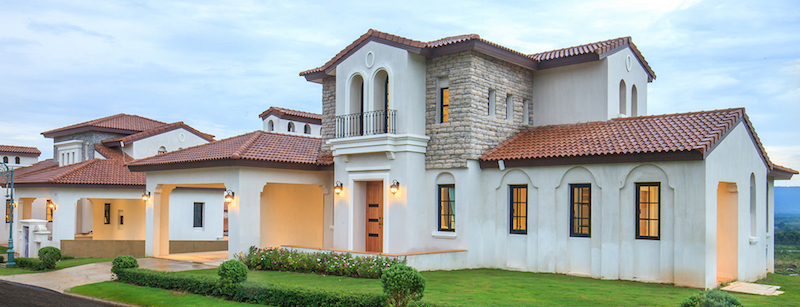 Image from project: http://nusasiri.com/Nusa-My-Ozone-Khao-Yai
2. Condos for Seniors are expected to grow the most in the future, as evidenced by the rapid booking of condos for those aged 55 and older. There are several reasons why seniors should live in condos, as they are compact residences with ample amenities, including location, services, and safety. Most condos are designed with floors on the same level, making them safe and compliant with senior housing design principles. Common areas often include gardens for relaxation and other amenities that cater to seniors more than regular condominiums. For instance, if equipment in the unit malfunctions, there are maintenance staff or property management on hand. Additionally, the location of condos is often close to important places, especially hospitals. Therefore, condos are suitable for seniors without families who do not live in large households, wish to be near their children in the city, and can manage their own basic needs. For condos specifically for seniors, it is advisable to choose those with nursing staff available 24/7 for emergencies and activities to foster community engagement, preventing loneliness that can lead to depression.
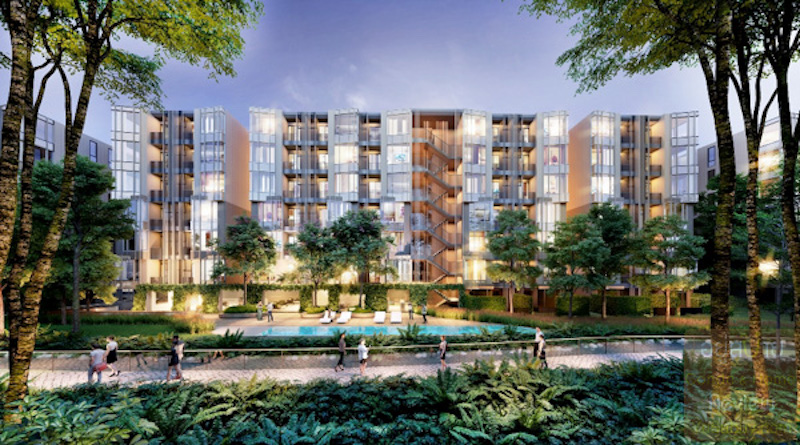
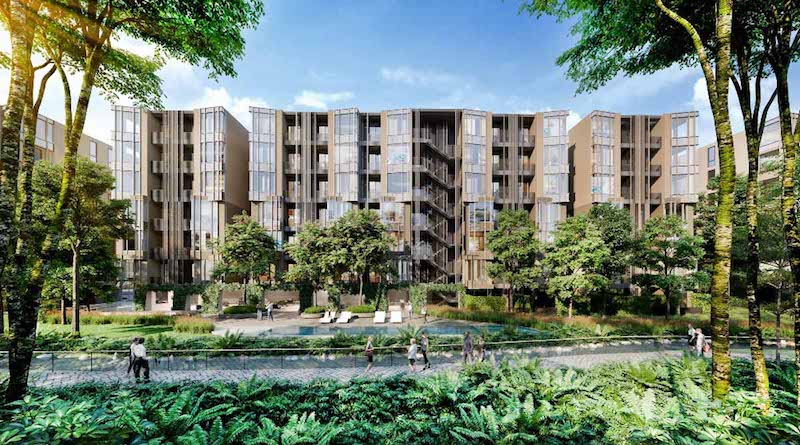
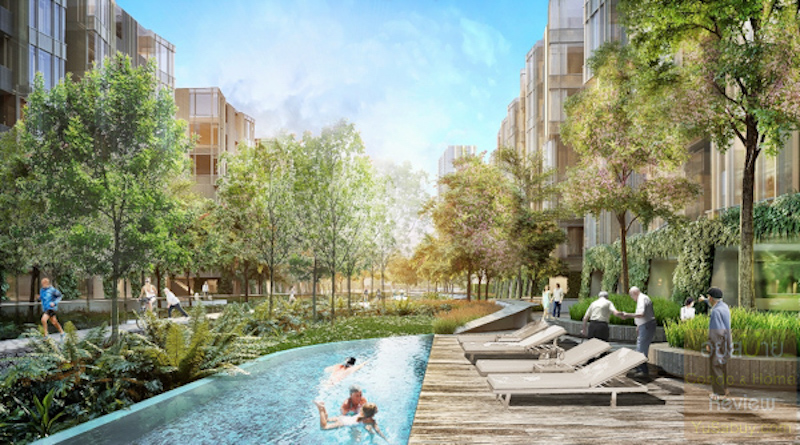 Image from project: http://www.jinwellbeing.com/
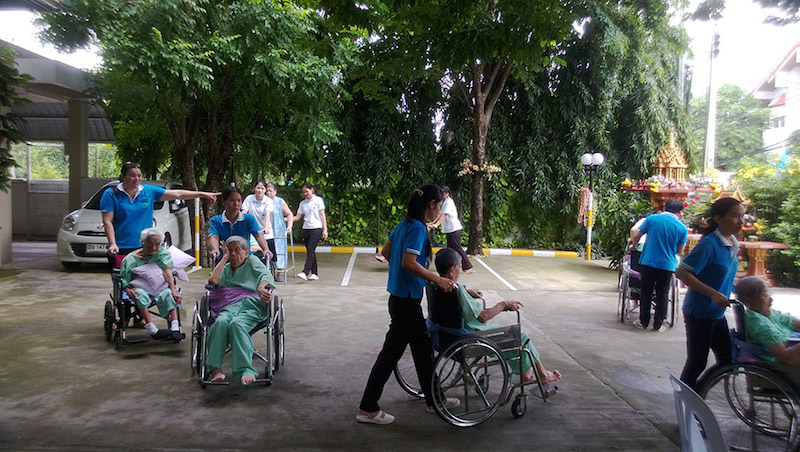
3. Nursing Homes are another type of housing for seniors that has clearly grown in recent years, with over 60 facilities now existing, primarily located in major cities near healthcare facilities. They provide medical, health, and care services for seniors who are not severely ill but cannot live alone. Staff with nursing skills are available 24/7.
4. Service Apartments are usually operated by hospitals and are located adjacent to them to facilitate seniors who need long-term accommodation while receiving ongoing treatment. The primary clientele includes both Thai and foreign nationals, such as those from Japan, who are entering a fully super aged society and prefer to receive care in Thailand.
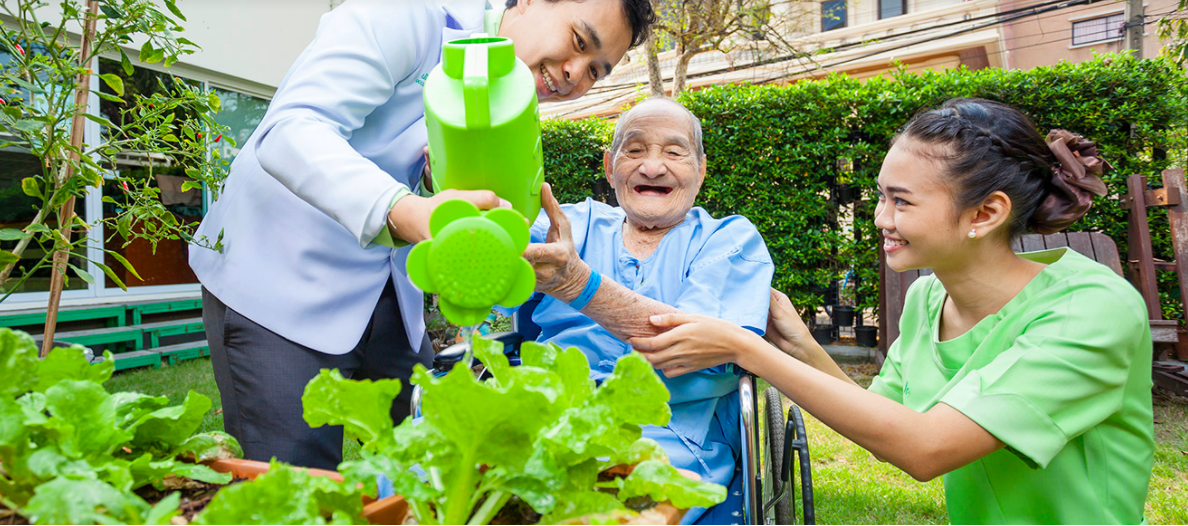 Image from: http://www.kluaynamthai2.com/
5. Residential Homes have been around for a long time, with a total of 44 facilities across the country, operated under government agencies. They provide accommodation for seniors who can care for themselves but lack caregivers and are in financial need, requiring minimal professional nursing care.
 Image from: http://www.camilliansocialcare.org/
Universal Design: A Solution for Opportunities in an Aging Society
As the population increases and changes, there arise limitations and adjustments in housing. Seniors face various physical and health limitations, necessitating special considerations in housing design. The principle of design for coexistence among all people and all ages, which is globally accepted, is Universal Design.
Universal Design is not limited to designing for the elderly alone; it is actually about designing for everyone, including those with disabilities, the elderly, and others. Currently, we see Universal Design implemented in public spaces that are crowded, such as hospitals, parks, or shopping malls, but it is still not widely applied in residential settings.
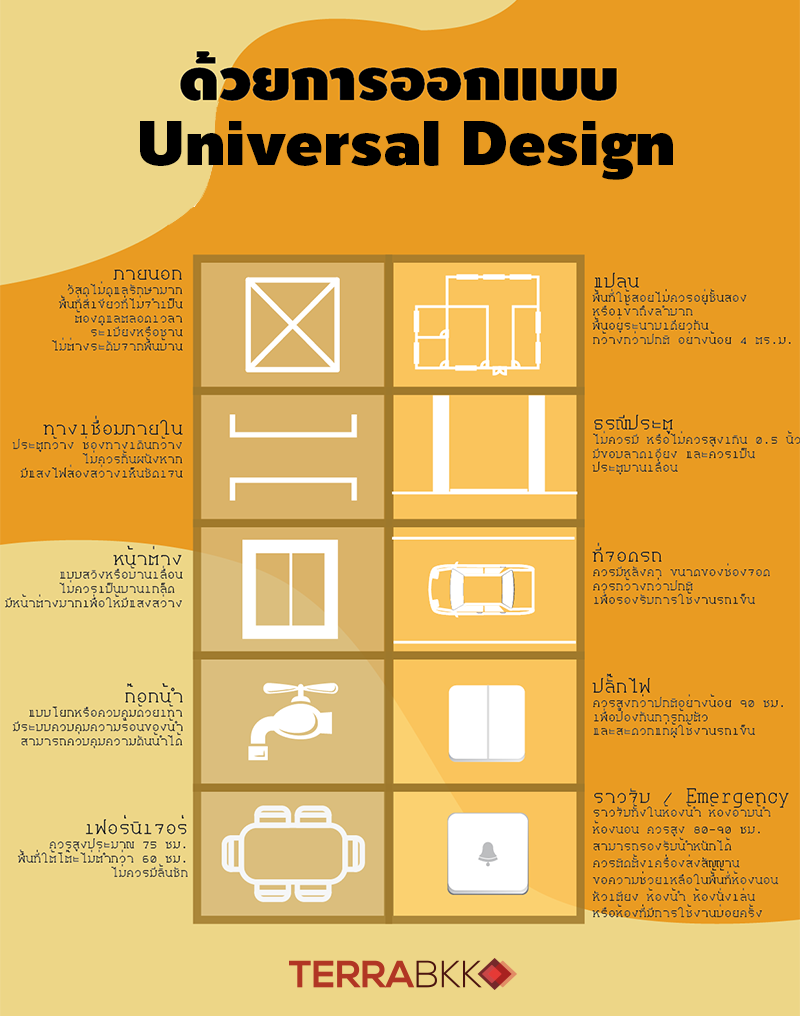
Surveys of retirees regarding housing preferences show that most still prefer to live in homes with family rather than in separate settings. However, their existing homes often lack modifications suitable for elderly living, such as slippery surfaces that pose fall risks or heavy doors that are difficult to open. Adjustments to accommodate elderly living should include:
- Exterior - Use low-maintenance materials, with green spaces that do not require constant upkeep, and ensure that the balcony or porch is level with the house floor.
- Layout - Main living areas should not be on the second floor or in hard-to-access locations. Floors should be on the same level without elevation changes, and each room should be at least 4 square meters larger than normal to accommodate wheelchair use.
- Internal Connections - Doors should be wider than normal, with easy and wide pathways throughout the house that connect to other areas, avoiding walls in common areas, and ensuring adequate lighting for visibility.
- Thresholds - Should be minimal or not exceed 0.5 inches, with sloped edges, and sliding doors are preferable.
- Windows - Should be easy to operate, such as swing or sliding windows, avoiding shutters, and should allow ample natural light.
- Parking - Should have a roof, and the parking space should be wider than normal to accommodate wheelchair use.
- Faucets - Should be lever-operated or foot-controlled, with temperature control systems and adjustable water pressure.
- Electrical Outlets - Should be at least 90 cm high to prevent bending and facilitate use for wheelchair users.
- Tables, Counters, Shelves - Should be lowered to about 75 cm high, with at least 60 cm of clearance underneath, and should not have drawers.
- Install Grab Bars and Emergency Systems - Grab bars in bathrooms, showers, and bedrooms should be at a height of 80-90 cm, capable of supporting weight, and emergency signal devices should be installed in frequently used areas like bedrooms, bathrooms, and living rooms.
Article by: TerraBKK Real Estate News
TerraBKK: Find good, valuable, and affordable homes